
Compliance
What's in the product, on paper.
REACH and RoHS both restrict chemical substances in what we ship, for different reasons and to different thresholds. The declaration and test reports at the bottom of this page are what an auditor actually asks for.
REACH
What is it?
REACH — Registration, Evaluation, Authorisation and Restriction of Chemicals — is an EU regulation, part of Directive (EU) 1907/2006.
What is its purpose?
To protect human health and the environment from the risks chemicals can pose, promote alternative test methods, keep substances moving freely on the internal market, and support competitiveness and innovation.
Which products and chemicals are affected?
Both chemical mixtures and articles. REACH requires identifying substances of very high concern (SVHCs) above 0.1% by weight. The SVHC list currently holds 241 chemicals and is typically updated twice a year.
What is an article, exactly?
An object manufactured to a specific shape or design that matters more to its function than its chemical composition. A product built from several parts treats each part as its own article, evaluated independently.
RoHS
What is it?
RoHS — Restriction of Hazardous Substances — is an EU Directive, 2011/65/EU as amended by (EU) 2015/863.
What is its purpose?
It restricts the use of ten substances above a set concentration in electrical and electronic equipment (EEE), to protect health and the environment and reduce hazardous e-waste.
Which products and chemicals are affected?
All EEE, plus any component used to assemble one — bolts, washers, plastic cord or housing — even where the part itself is not EEE. Ten chemicals are restricted above threshold, unless a listed exemption applies (for example, Exemption 7(a): lead in high-temperature solders).
RoHS 1, RoHS 2, RoHS 3 — what changed?
RoHS 1 (2002/95/EC) restricted six substances. RoHS 2 (2011/65/EU) recast it for clarity and made RoHS a CE-marking directive, requiring a technical file. RoHS 3 — the 2019 amendment, (EU) 2015/863 — added four phthalates to the list. RoHS 2 ended RoHS 1; RoHS 3 amended RoHS 2 rather than replacing it.
Restricted substances and thresholds
The ten substances RoHS restricts in electrical and electronic equipment, and the concentration each is capped at.
| Substance | Threshold |
|---|---|
| Lead (Pb) | 0.1% / 1000 ppm |
| Mercury (Hg) | 0.1% / 1000 ppm |
| Cadmium (Cd) | 0.01% / 100 ppm |
| Hexavalent chromium (Cr6+) | 0.1% / 1000 ppm |
| Polybrominated biphenyls (PBB) | 0.1% / 1000 ppm |
| Polybrominated diphenyl ethers (PBDE) | 0.1% / 1000 ppm |
| Bis(2-ethylhexyl) phthalate (DEHP) | 0.1% / 1000 ppm |
| Butyl benzyl phthalate (BBP) | 0.1% / 1000 ppm |
| Dibutyl phthalate (DBP) | 0.1% / 1000 ppm |
| Diisobutyl phthalate (DIBP) | 0.1% / 1000 ppm |
Declaration and test reports
Signed and issued documents, as PDFs.
Declaration of REACH Compliance
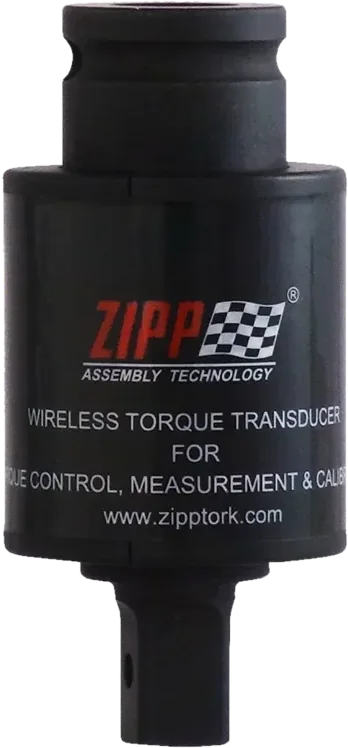
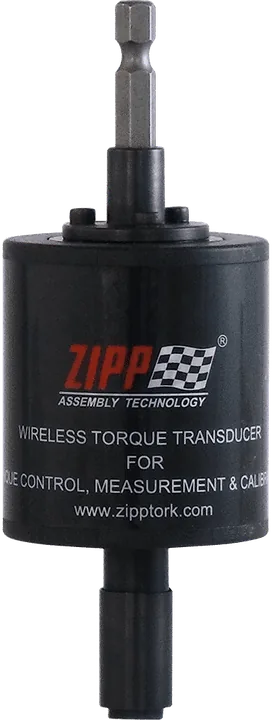
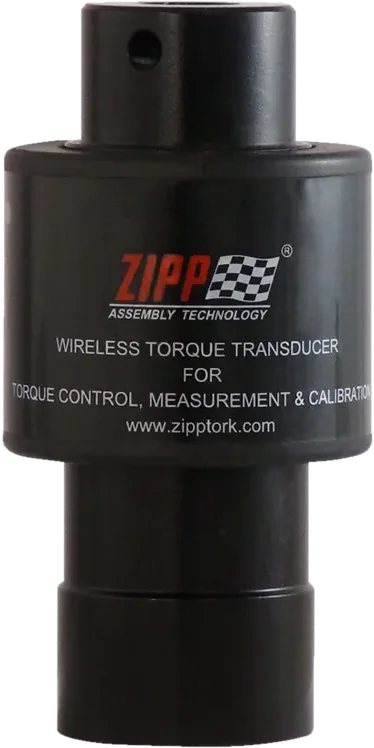
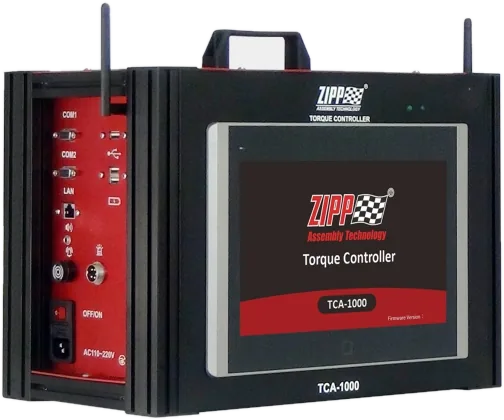
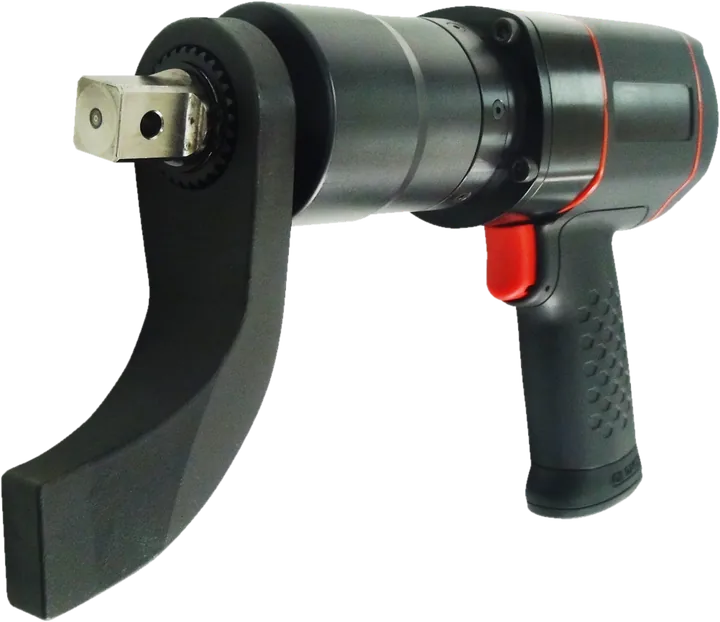
Covers wireless torque transducers, torque controllers, the dongle transceiver, and torque-controlled air and cordless tools.
RoHS test report — wireless torque transducers
Third-party test report covering the wireless torque transducer series.
RoHS test report — torque controllers
Third-party test report covering the torque controller series.
Need a declaration for a specific model?
Quote the model number and which regulation the request is for. A product engineer confirms what documentation exists for it.