
Case study · Bolted chassis assembly
A click wrench can't tell you if the bolt is right.
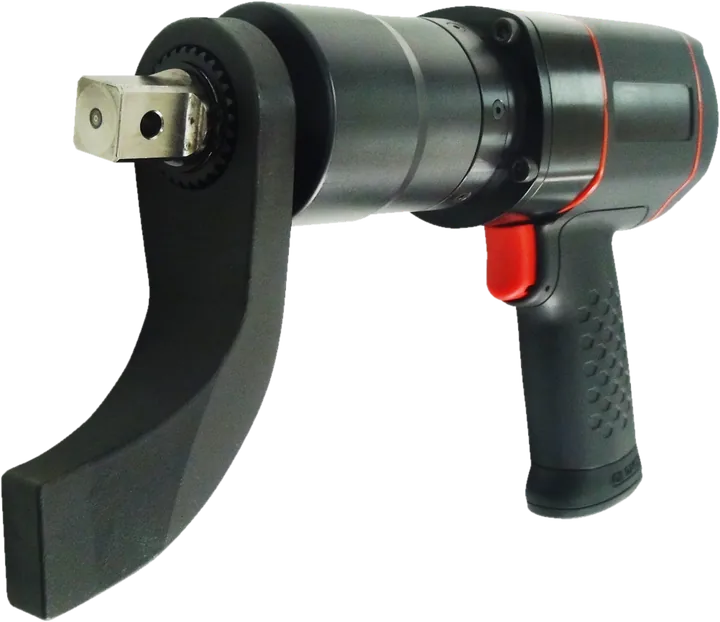
This line tightens eleven target torques from 30 to 750 N·m across two chassis assemblies with a pressure or pulse wrench, then a torque-click wrench for the final pass. The click wrench tells the operator nothing back — not the torque, not whether it landed in range, not that the bolt was touched at all.
The current method
An air impact or pulse wrench pre-tightens to roughly 80% of final torque, then a torque-click wrench finishes the last 20% to target, at ±5–10% accuracy on a good day. Three things go wrong with the second step.
No result recorded
A click wrench gives no visual sign and no number reading, so there is no way to know or record what the final torque actually was.
The click is not proof
When the wrench clicks, that does not mean the torque delivered was inside the target range - only that the mechanism released.
Operator-dependent
How the wrench is held and pulled changes the result, so two operators tightening the same bolt can produce two different outcomes.
Two chassis, eleven target torques
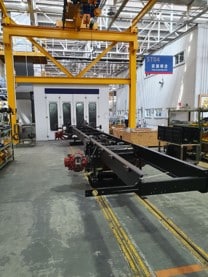
Both assemblies were measured on the line as they are built today. The targets repeat across a lot of the range, which is what makes six transducer models enough to cover both.
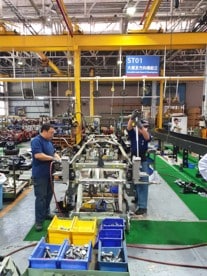
Chassis 1 targets
Chassis 2 targets
Matching torque to model
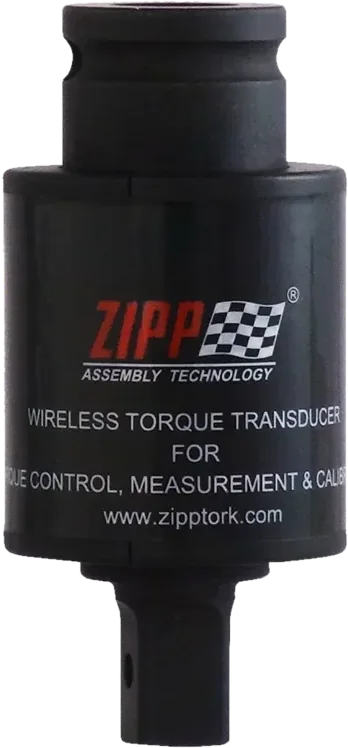
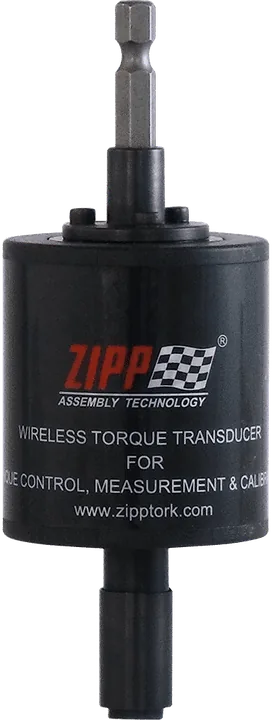
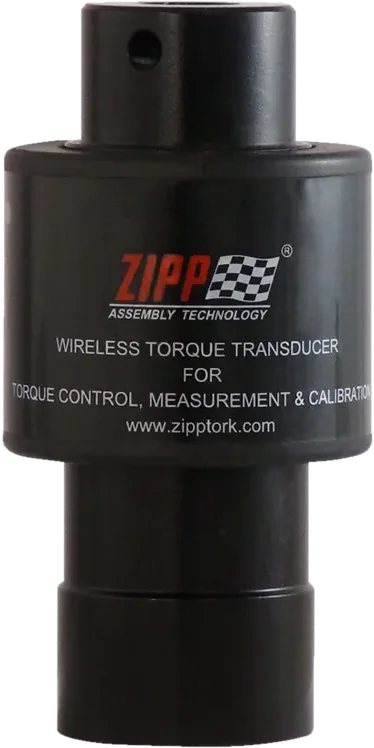
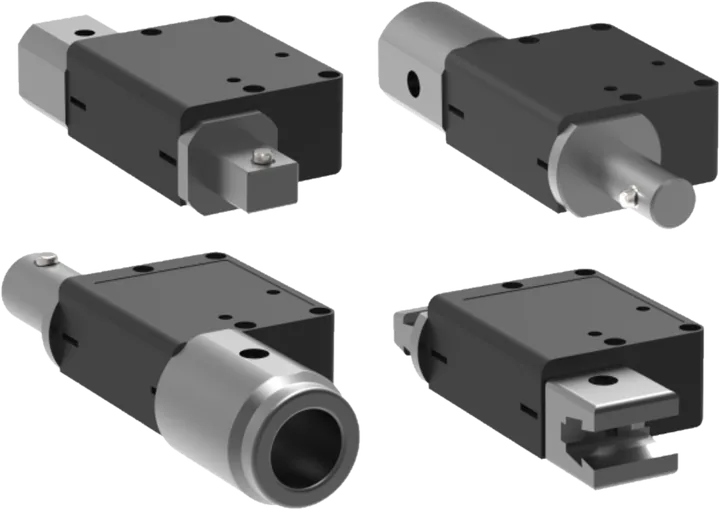
Each TTAS is a static-use wireless torque transducer rated to a range; matching the target to the model is the whole selection.
| Model | Covers |
|---|---|
| TTAS-100 | 30 Nm, 60 Nm |
| TTAS-180 | 110 Nm |
| TTAS-250 | 170 Nm |
| TTAS-500 | 260 Nm, 295 Nm, 298 Nm, 395 Nm |
| TTAS-750 | 460 Nm, 650 Nm |
| TTAS-1000 | 750 Nm |
What changes on the line
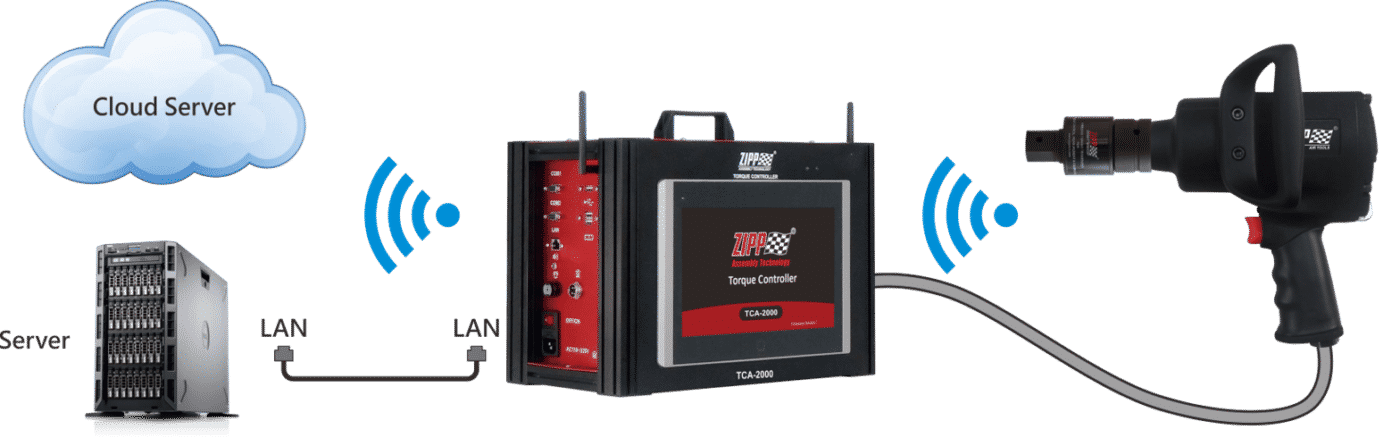
The wireless transducer fits on the same click wrench already on the station. It records the final tightened torque, shows the live reading and angle on each bolt, and keeps every result — target, tolerance and outcome — on the device or uploaded to a server.
Bolt count, verified
An untightened bolt is caught rather than missed, and every tightened bolt is counted against the build.
No re-hits
Angle is monitored through the process, so a bolt is not re-struck or re-tightened without that being on record.
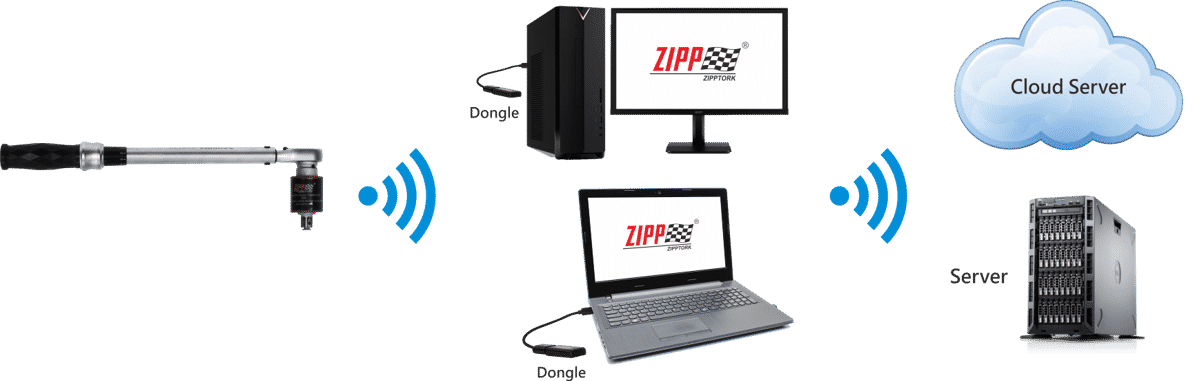
Built into the software
One added part on the wrench; everything below comes from the software that already ships with it.
Real-time judgement
- Live torque reading and angle on every bolt as it is tightened
- Records the actual torque delivered, not just a pass/fail click
- Records the tightened result against the target band
Traceability
- Operator ID logged against every fastening, under personal accounts and permissions
- Work-piece serial number recorded with the result
- Work time logged for each tightening
Setup and data
- Target torque, quantity and angle preset in advance, so a step cannot be skipped or mis-set
- Every record logged and uploaded to a cloud server or another destination you choose
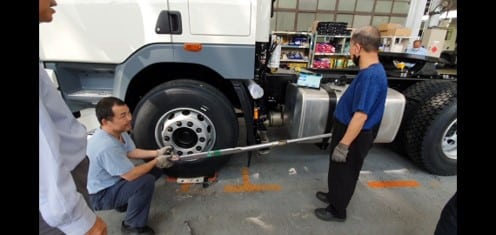
In the field
Send us your torque targets.
Tell us the fastener sizes, the target torques and the tool already on the line. A product engineer replies with the model or models that cover it.